
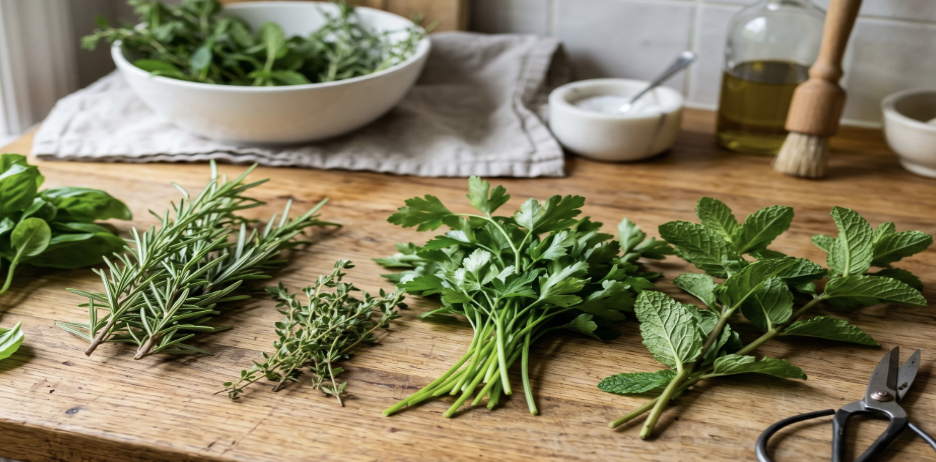
Fresh herbs can totally change the way your meals taste and smell. They offer more than flavor; they can add color, a fresh bite, and even some health perks. Whether you’re cooking at home for the first time or looking to tweak your favorite recipes, playing around with different herbs can help you level up your food in a simple and affordable way. I’ve put together this guide on fresh herbs to help you make the most out of your cooking adventures.
Why Fresh Herbs Matter in Everyday Cooking
Fresh herbs aren’t just fancy garnishes. For home cooks and chefs alike, they’re one of the simplest ways to brighten up almost any dish. Fresh herbs add fragrance, visual punch, and a crisp pop that dried herbs can’t provide. Even a handful of chopped parsley or a sprinkle of basil can make regular meals feel restaurant-quality. In my own kitchen, I find myself grabbing for fresh herbs nearly every day, especially when I want to bring leftovers back to life or add extra flavor to simple recipes.
Mint, basil, and parsley are some of the most popular herbs around the world, known for boosting salads, pastas, meats, and even drinks. Fresh herbs have been valued for centuries for both their taste and health benefits across many types of cuisine. With local supermarkets and farmers markets making fresh bundles so easy to find, it’s worth adding them to your grocery list and trying them in your own dishes.
Getting Started: Common Fresh Herbs and Their Uses
Experimenting with new herbs starts with knowing what’s available and what fits your favorite flavors. Here are some of the most common fresh herbs and where they really shine:
- Basil: Perfect in Italian dishes like pasta, pizza, and pesto. It’s also super tasty in salads with tomato and mozzarella.
- Parsley: A classic allrounder. Use it in soups, sauces, potatoes, and as a finishing touch on almost any dish.
- Mint: Brings a refreshing note to drinks, sweet desserts, and salads. It’s also amazing in Middle Eastern dishes and with lamb.
- Thyme: Works well with roasted veggies, chicken, stews, and even bread. Its earthy flavor handles heat during cooking.
- Cilantro (Coriander): A star in Mexican, Indian, and Southeast Asian cooking—think salsas, curries, and rice dishes.
- Rosemary: Pair with roasted potatoes, grilled meats, and bread. It’s pretty bold, so a little goes a long way.
- Dill: Great with fish, in potato salad, and in classic dressings like tzatziki.
- Chives: Mild onion taste that’s good for eggs, baked potatoes, dips, and salads.
Fresh tasting herbs can really set the tone for each dish. If you’re unsure where to begin, adding just one herb to a familiar recipe can introduce its taste without overwhelming the meal. Exploring different pairings over time will also help you spot which flavors work best with your cooking style.
Quick Tips for Using Fresh Herbs Like a Pro
Adding herbs is pretty simple, but a few smart tricks make a big difference. Here’s how to make the most out of every sprig and leaf:
- Add Delicate Herbs Last: Softer herbs like basil, parsley, and cilantro taste best tossed in just before serving. This keeps their flavors bright, not cooked away.
- Let Tougher Herbs Simmer: Herbs like rosemary and thyme can handle a slow simmer, so add them early and let their flavor soak through your whole dish.
- Chop Right Before Using: Fresh herbs lose their aroma fast, so cut them just before sprinkling over your food.
- Use the Stems (Sometimes): Cilantro and parsley stems have lots of taste—chop them finely and use them in stocks or cooked dishes. Skip rosemary and thyme stems, as they get too woody.
- Get Creative With Pestos and Sauces: Whip up an herby pesto with any mix of leafy greens and herbs. Toss this with pasta, spread on sandwiches, or stir into soups for a flavor boost.
These steps help keep your meals lively, colorful, and delicious. Even a small handful of the right herb can totally rescue a bland lunch or dinner.
Things to Know Before You Buy or Grow Fresh Herbs
Herbs are pretty low-fuss, but a few things are worth noting if you want to pick them up at the store or start a tiny home herb garden:
- Shelf Life: Fresh herbs don’t last long before they wilt. To stretch their life, snip the bottoms and stand them in a glass of water in the fridge, or wrap them in a damp paper towel.
- Flavor Punch: Some herbs (like rosemary and thyme) are way stronger than others (like parsley). Start with less; you can always add more.
- Seasonal Changes: The time of year makes a difference in herb intensity and freshness. Summer is best for basil and mint at farmers markets, but hearty herbs often hang around year round.
- Cooking Compatibility: Not every herb mix works well together. Mint and basil can compete rather than blend. Find combos that get along—parsley with dill is lovely, but rosemary and cilantro together usually miss the mark.
Keeping Your Herbs Fresh
Storing herbs the right way helps keep them green, perky, and ready for tossing into your next meal. I usually rinse herbs, blot them dry with a paper towel, then either:
- Wrap in a slightly damp paper towel before slipping into a ziptop bag in the fridge.
- For soft herbs like basil, stand the stems in water on the countertop, with a loose plastic cover over the top.
Don’t let chopped herbs sit out for long, as their delicate edges wilt and darken quickly. Freezing chopped-up herbs with water or oil in ice cube trays is a clever way to save extra flavor for later meals.
Picking the Right Herb for Your Recipe
The best matches really boost the taste of your dish. Rosemary shines with roasted meats and potatoes. Basil pairs well with tomatoes and garlic. Mint adds a fresh note to both sweet and savory foods. If you enjoy stir-fries and curries, cilantro and Thai basil are worth checking out.
Tasting a pinch of an herb raw before adding it to your food helps you figure out its intensity, so you don’t go overboard in the final dish. Over time, you’ll get a sense for what each herb brings to your kitchen game.
Next Steps: Fresh Herb Hacks and Creative Uses
If you want to get the most out of fresh herbs at home, try these tasty tricks:
- Make Infused Oils or Butters: Blend a small bunch of clean, dry herbs into olive oil or softened butter. Great for bread, steak, or grilled vegetables.
- Mix Up Herby Salts and Rubs: Chop up rosemary, thyme, or sage with sea salt to rub onto meats before grilling or roasting.
- DIY Herbal Teas: Mint, lemon balm, and basil are all perfect for homemade, caffeine-free tea. Just pour boiling water over fresh leaves and let steep for a few minutes.
- Garnish Everything: Parsley and chives are classic for finishing dishes at the table—not just for color but for one last burst of flavor.
Sometimes I use leftover herb stems to add flavor to stocks or broths. When I steam rice, I’ll toss in a sprig or two for a delicious hit of flavor. It’s a no-waste way to get every drop of goodness from your herbs.
Looking for more? Try adding chopped mint to fruit salads or basil to grilled peaches for something next-level cool. Herbs aren’t just for savory dishes; there’s a spot for them in sweets and drinks too!
Fresh Herbs in Real-Life Cooking
Fresh herbs can totally transform the basics. From weeknight dinners to special-occasion meals, they’re an easy way to make your cooking punchier. Here are a few examples from my own kitchen:
- Bright salads: Toss basil and mint with lettuce, or top chickpea salads with cilantro for more depth.
- Flavorful pastas: Just stirring chopped parsley, basil, or chives into finished pasta adds instant freshness.
- Soup upgrade: Add dill to potato or carrot soup, or snip chives over creamy soups.
- Quick salsas: Use cilantro, parsley, or mint as your leafy base, then mix with fresh tomatoes, onions, and lime.
- Egg Dishes: Chopped chives or dill over scrambled eggs takes the flavor up a notch. Herbs also work great in omelets or as a topping on fried eggs.
Cooking with fresh herbs also lets you experiment and figure out your personal favorites. Sometimes I’ll blend whatever green things I have to make an impromptu sauce for roasted vegetables or grilled fish, and the results are delicious and memorable.
Frequently Asked Questions
Curious about using fresh herbs? Here are answers to some common questions for beginners and seasoned cooks alike:
Question: Can I replace dried herbs with fresh, and vice versa?
Answer: You can, but the flavor isn’t as strong. Fresh herbs are milder—if a recipe asks for 1 teaspoon dried, use about 1 tablespoon fresh instead.
Question: Are there herbs everyone should keep around?
Answer: Parsley and basil are super versatile, but choose herbs that fit your favorite foods—like cilantro for tacos or rosemary for roasted veggies.
Question: Is it tough to start a small herb garden?
Answer: Not at all. Most herbs are easy to grow in pots on a sunny windowsill. Mint, basil, and thyme are great picks for beginners.
Question: How do I stop my herbs from going bad so quickly?
Answer: Keep stems in water like a bouquet, wrap bunches in a damp towel, or freeze chopped herbs in oil or water ice cubes to extend their lifespan.
Wrapping Up
Trying out fresh herbs is one of the easiest ways to make your food taste way better. With a handful of practical tips and some know-how for storage and use, even brand-new cooks can boost their meals with a little green power. Every kitchen has room for a dash of freshness, and once you start experimenting with herbs, it’s tough to imagine going back. Keep an open mind, mix and match, and have fun discovering what flavors you love best. Fresh herbs can turn basic dishes into something truly memorable. Happy cooking!
If you have any questions about cooking with fresh herbs, or have your own experiences to share with us, please leave a comment below!